
Have you ever wondered whether or not it’s possible to catch bass from the bank? If so, then you’re not alone! With so many fishing shows spotlighting these guys fishing from their expensive, state of the art bass boats, it’s no wonder that a lot of fishermen think that if you don’t have a boat, you can’t catch any bass.
What if I told you that yes, you can still catch bass from the bank even if you don’t own a boat, kayak, or some other type of floating platform?
In fact, in this article, I’m going to give you 11 tips for catching plenty of bass from the banks of your favorite lakes, ponds, and rivers.
Fishing Tips and Techniques For Bass Fishing From The Shore
1. Scout The Area That You’ll Be Fishing

The mistake that I see a lot of anglers make when fishing from the bank is that they rush right in and cast their lines not knowing anything about the area that they are fishing.
Fishing from the bank is like fishing from a boat in that you want to scout the area you’ll be fishing before and after you get there.
Use Google Maps
You can start by using Google Maps to find out where the structure, drop-offs and other areas that may be holding bass are.
While Google Maps can be helpful, there’s nothing like taking a walk around the lake, either the day before or the day you arrive.
This will not only allow you to confirm what you saw online but will also give you a firsthand look of the area that you’ll be fishing.
Create A Plan Of Attack
Once you have determined the areas where you think the bass might be, then you can come up with a game plan for approaching the spot and getting your bait to where the fish are layed up without spooking them.
Remember, that when fishing from shore, you’ll want to find a location that will allow you an obstruction free casting area, so that you will be able to target every angle of the area that you’ll be fishing.
Make sure that you pay special attention to any type of structure such as overhanging trees, submerged tree stumps, grassy areas and other structure that may be holding bass.
2. Don’t Spook The Fish

Once you find the spot that you want to try your luck at, approach the area carefully so that you don’t spook any bass that might be bedding close to shore.
A big mistake that I use to make is to walk right up to the water’s edge and look down to see if I could see any fish around.
Needless to say, if there were any fish there, they were long gone after seeing me, which is why I probably came home empty-handed on more than one occasion.
A trick that I learned is that when possible, stand a few feet away from the edge of the bank when casting.
This should help to not spook any fish that might be present.
It’s also a good idea to keep the noise down!
This means keep the talking down to a minimum and avoid making too much noise fumbling around with your fishing gear.
3. Casting to Where The Bass Are

Most anglers have a tendency when fishing from the bank to cast straight out and into the middle of the lake, but this is a big mistake.
Think about it…where are you casting when you are fishing from a boat? Unless you are fishing some structure or a deep drop off out in the middle of the lake, you are most likely trolling around the perimeter of the lake, casting towards the bank.
Why would anything be different when fishing from the bank?
Bass and other fish typically use the protection of the bank for several reasons.
They’re either hanging around the perimeter for protection from becoming a bigger fish’s dinner or they are the big fish looking for dinner.
Also, on hot summer days, bass will stick close to the bank so that they can take advantage of the many shade opportunities that overhanging trees provide.
Keep in mind though that when casting towards structure such as weeds and submerged branches, you always want to cast several hards past the structure.
By casting super close to the area that you are targeting, you can almost guarantee that you are going to spook any fish that might have been hanging out there for cover.
4. Select a Rod and Reel For Maximum Casting Distance
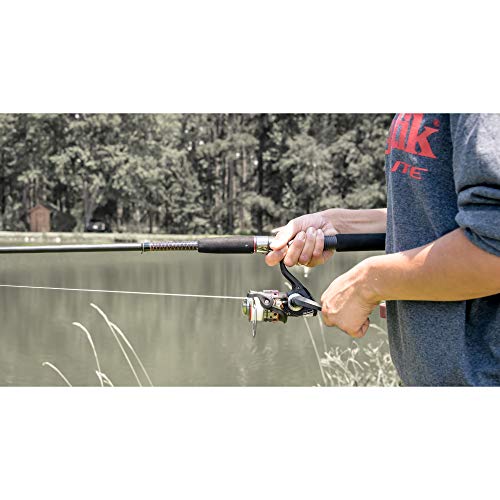
When you’re fishing from shore, one of the most important things to consider is what rod and reel to use.
You want to choose something that can handle bass but will also allow you to cast as far as possible.
For some anglers, this will mean ditching your go-to baitcasting setup and opting for a spinning reel.
Baitcasting reels
are made for casting accuracy but not necessarily for casting distance, especially when using light baits.This is why I suggest using a spinning reel when fishing from the shore. They will give you the farthest casting distance, even when using lighter baits.
Something in the 2-3000 size paired with a 7 ft medium/light fast action rod should do just fine.
5. Use The Right Baits For Bass

I personally don’t feel that color plays as important of a role when choosing your baits as some people might think.
To me, the size of the lure is much more important!
I personally like soft plastics and nothing beats a green pumpkin Senko bait in my opinion!
It doesn’t matter what time of the day, year, or how cold/hot the water is, bass are going to strike a Senko guaranteed!
Not only that but they are lightweight too, which makes them an even better choice for fishermen fishing from the bank.
The lighter the bait is, the less noise it will make when hitting the water.
Other plastic baits work well too, including plastic frogs, crawfish, lizards, grubs and so on.
6. Rig Your Lures Weedless

When rigging your bait, make sure you rig it weedless as chances are you’re going to be casting close to and around lots of structures that can snag your hook.
This is another reason why I love using soft plastics as opposed to hard baits when fishing from the bank.
Probably the most common way to rig a soft plastic lure weedless is to use the Texas Rig method.
It’s pretty simple actually!
7. Pack Light for The Trip

If you’re serious about catching bass from the water’s edge, then you’re more than likely going to have to cover a lot of ground in order to find them.
The last thing that you want to be doing is carrying a bunch of gear with you on your search!
I suggest that you only bring one rod and reel and a few select lures in a fanny pack.
If you absolutely must bring more gear, then I recommend that you invest in a good fishing backpack.
One that I like is made by Wild River.
It’s their smaller version, but still plenty big enough for hauling around all of your fishing gear for a day of bank fishing.
If you want, you can check out the price on Amazon.com.
8. Buy a Good Pair of Polarized Sunglasses
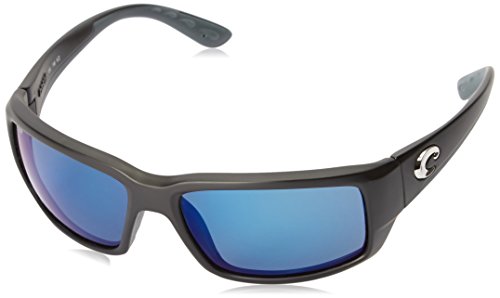
Besides your rod and reel, the most important piece of gear that you can take with you is a pair of polarized sunglasses.
They will not only protect your eyes from the harmful rays of the sun but will also cut the glare off of the water, enabling you to spot bedding bass that might have otherwise gone unnoticed.
If you can see the fish before you approach an area, you are going to have a better chance of not spooking them.
Polarized sunglasses come in all shapes, sizes, and lens colors, but for bass fishing on lakes and rivers, I prefer a pair with a copper/amber colored lenses.
If you would like to learn more about polarized sunglasses, including recommendations on a few of the best on the market, check out my article on polarized sunglasses.
9. Fish The Right Conditions

Whether you’re fishing from a boat, kayak, or the bank, you can almost always expect the best bite to come in the morning and evening hours. This is especially true during the summer months when midday temps can sometimes reach into the 90’s.
When the weather is hot, the water is hot!
During this time, most bass are more likely to seek cool shelter under a hanging tree limb or deep drop off rather than looking for their next meal.
If you’re lucky, you might be able to get the bass seeking shelter next to shore to strike, but will probably have a hard time casting to the deep water drop-off where the other bass are hanging out.
One of my favorite times to go fishing for bass, especially when I’m fishing from the bank is on overcast days. It’s been my experience that bass are more active throughout the day when the clouds are out.
Sure, you won’t be able to spot them bedding as easily as you would on a bright sunny day, but you can bet your bottom dollar that they are there.
However, my absolute favorite time to fish for bass along the shore is just after a rainstorm!
A good rainstorm can cause a nice runoff, which in turn, can flood the water with all kinds of creepy crawlies that bass love to feed on, including flies, worms, grasshoppers, frogs and so on.
Most of these baits tend to float on the surface, which means that the bass will be more likely to strike a surface lure such as a topwater plug.
10. Don’t Forget About Fishing at Night

Another tip that could score you a few bass is to go fishing at night! Not only do the fish still bite, but since the water is usually cooler during the nighttime hours, they can sometimes bite better than during the daytime.
Not only that, but you get to avoid the crowds, which can also better your chances at landing a few bass.
I love going fishing at night, whether it be from a boat, a fishing pier, or even from the bank.
The one thing I would advise though is to make sure you know the area you’ll be fishing, especially if it’s around an unlit area of a lake or some other body of water.
The last thing that you want to do is to step in a hole, tripe over a branch, or worse.
Also, if you live in an “alligator state” as I do here in Florida, you’ll want to be extra careful when fishing at night, as this is the time when alligators are most active.
11. Don’t Overlook Urban Lakes and Ponds
Last but not least, don’t neglect fishing your neighborhood ponds and lakes!
I use to overlook these areas because I thought that they were just retention ponds and could in no way hold any fish, let alone any bass.
I was wrong!
One day when I wanted to try out a new fishing pole that I had just bought, I decided to throw a few casts in my local “retention pond” and lo and behold I caught a bass on my second cast.
In fact, I caught a bunch of bass that day! Granted, they were all small, but at least it was something, not to mention a lot of fun.
Final Thoughts
Remember…bass don’t discriminate! They could care less about whether or not you have a boat. In fact, some of my best days of fishing for bass have come when I was fishing from the bank.
If you don’t mind putting in a little work in preparing for your fishing trip and apply some if not all of the tips that I’ve outlined in this article, who knows…you could have the fishing trip of a lifetime!
Do you have any fishing tips for bank fishing that you would like to share? If so, please leave a comment below.